Trending

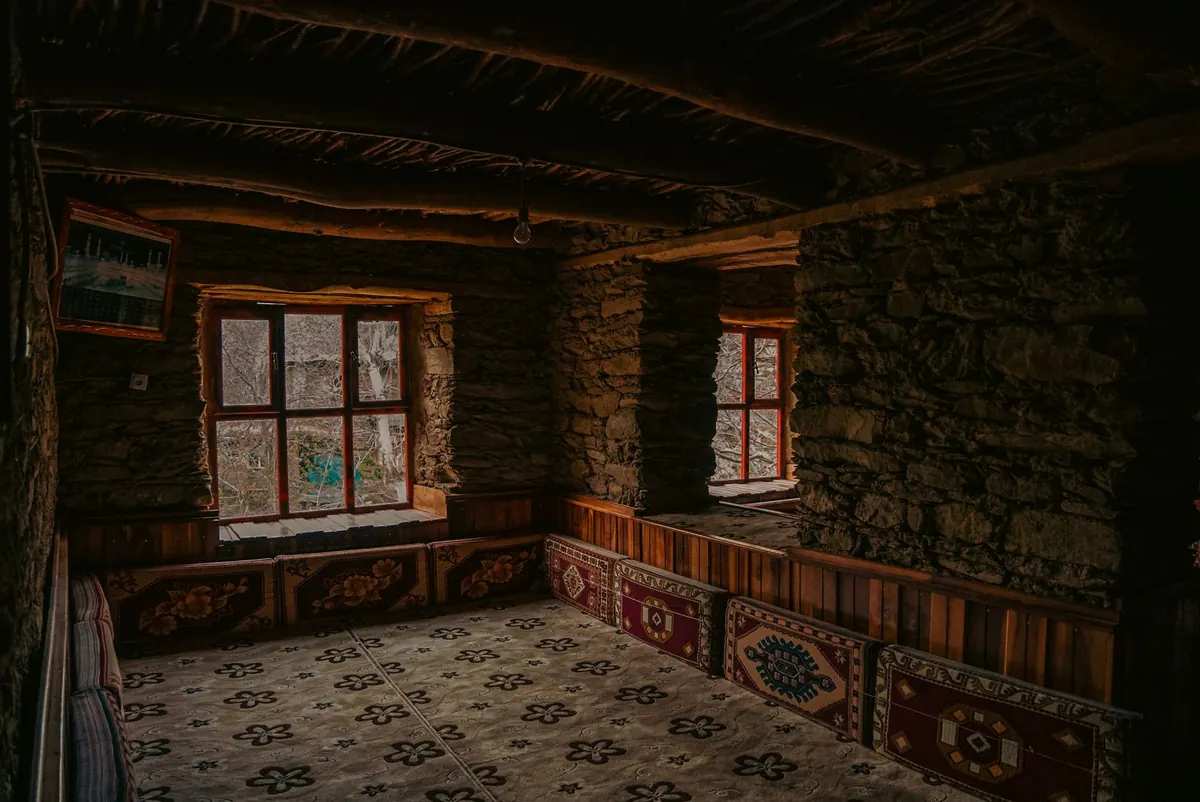
Step through the door of a Yorkshire stone cottage and the building tells you what it wants. Thick gritstone walls, low beams, deep window reveals and flagstones that stay cool all summer and freezing all winter. Lovely ingredients — but they will not forgive a decorating scheme designed for a new-build.
The trick is to stop treating those features as problems. Work with the stone, the scale and the draughts, and you get rooms that feel genuinely warm rather than a modern interior squeezed into an old shell.
Every decision about paint, plaster and fabric comes second to this. Traditional cottages were built to breathe: stone outside, lime mortar and lime plaster inside, air moving through walls, floors and chimneys. Seal that up with cement render or a plastic-rich masonry paint and moisture gets trapped. It then finds the next way out, which is usually the inside face of the wall — hence the bubbling paint and black patches in corners.
Start with the simple causes: leaking gutters, downpipes discharging against the wall, soil or paving built up above the damp course, blocked airbricks, a chimney capped without ventilation. Fixing those is often cheaper and more effective than any damp-proofing injection.
When you repaint stone, use breathable finishes — limewash, clay paint or a mineral masonry paint — and let the wall dry out properly first. If damp persists, or you notice movement in the walls, ask a chartered surveyor or an independent damp specialist to look before you spend money. Rising damp, penetrating damp and condensation look alike and need very different fixes.
As a rule of thumb, if a wall feels cold and damp to the touch, or if salts are blooming on the plaster, you have a moisture problem that no amount of expensive wallpaper will solve. Address it first, then decorate. In many Yorkshire cottages, simply clearing a blocked airbrick and repointing with lime mortar can transform a room from a mould trap into a dry, usable space.
Low ceilings plus small windows equals gloom unless you plan for it. The most reliable trick is to paint walls and ceiling in the same soft shade: removing the hard line where they meet makes a room read as taller and stops beams chopping up the space.
Keep the palette warm. Stark white and cool blue-grey go flat and chilly against gritstone, while off-whites with a hint of yellow, pink or green sit far better. If you want a dark room, commit to it — a snug in deep green, oxblood or ink blue feels deliberate and enveloping, but it needs rich textures and good lamps to work.
Mirrors can also help, but place them thoughtfully. A mirror opposite a window doubles the light; a mirror facing a bare stone wall just adds another cold surface. And avoid hanging heavy, dark curtains that block the already limited daylight. Instead, use light-filtering fabrics or shutters that can be thrown open during the day.
Choose low, long furniture rather than tall pieces that crowd the ceiling. A low sofa, a bench under the window, a slim console in an alcove. Resist filling every corner; in a small room, a bit of empty space is what makes the rest feel comfortable. Where a chimney breast leaves alcoves, use them for shelving or cupboards instead of pushing freestanding pieces around them.
Leave beams exposed unless an engineer says otherwise. If one feels overpowering, paint it the same colour as the ceiling so it recedes, or accept it as the room's strongest line and repeat that dark tone on a door frame or a piece of furniture so it looks intentional.
Consider the proportions of everything. A massive armoire in a low-ceilinged bedroom will feel oppressive, while a simple rail and a few hooks might work better. In living rooms, a round or oval coffee table can soften the straight lines of beams and stone walls.
The most dependable palette is already outside your window: gritstone grey, weathered oak, moss, lichen, heather, bracken, oatmeal and cream. These are the tones that make stone look rich rather than grubby.
Pick three or four colours for the whole cottage and repeat them from room to room. A cottage is a series of connected spaces, and a limited palette makes small rooms feel part of something larger. Finish walls with a flat, breathable paint and woodwork with a low-sheen eggshell; high gloss fights with stone.
Before committing, paint large sample patches on different walls — the light changes from morning to evening, and a colour that looks warm on a north-facing wall may turn sickly on a south-facing one. Live with the samples for a few days before you buy tins.
Because stone is hard and cold, softness has to come from what you put in the room. Wool, linen, heavy cotton, jute, sheepskin, aged brass, black iron, unglazed ceramic and oiled oak all age well against old walls and feel good to touch.
Lighting deserves as much attention as paint. One central pendant will leave corners dark and make the room feel flat. Instead, layer your lighting: a floor lamp for reading, a table lamp on a sideboard, wall lights or picture lights to wash stone walls, and a dimmer switch on the main circuit. Warm white bulbs (2700K) are essential — cool white or daylight bulbs make stone look grey and unwelcoming. Candles and a well-placed fire add flicker and warmth that no electric light can replicate.
Underfoot, flagstones are beautiful but unforgiving. Large wool rugs, runners in corridors and sheepskin beside the bed take the chill off. If you have original flagstones, don't seal them with plastic — let them breathe. For extra warmth, consider a thick rug with a good underlay, or lay a natural fibre carpet like sisal or coir in bedrooms. Just avoid fitted carpets that trap moisture against stone.
Curtains and blinds matter in deep window reveals. Heavy, lined curtains in wool or velvet will block draughts and keep heat in during winter. But in small windows, they can also swallow light. A good compromise is a Roman blind in a warm fabric, mounted inside the reveal, plus a simple pelmet or a curtain that can be pulled back during the day.
Old cottages are notoriously draughty, and that's not always a bad thing — some ventilation prevents damp. But you don't need to live in a gale. Draught-proofing is the cheapest way to make a cottage feel warmer. Focus on obvious gaps: letterboxes, keyholes, ill-fitting doors and windows, and chimneys when not in use. A chimney balloon or a draught excluder can make a huge difference.
If you have an open fire or a wood burner, use it. A real fire not only heats the room but also draws moisture out of the air and up the chimney, helping to keep the fabric of the building dry. Just make sure the chimney is swept and the flue is lined if needed. For central heating, avoid sealing the building too tightly — breathable walls need to release moisture. A combination of radiators, a wood burner and good draught-proofing usually works better than trying to make an old cottage airtight.
Heavy curtains, door snakes, and even a well-fitted stair carpet can reduce heat loss. And don't overlook the simple pleasure of a hot water bottle and a thick wool blanket on a cold Yorkshire evening.
Small rooms demand clever storage. In a stone cottage, you often lack built-in cupboards, so look for furniture that multitasks: an ottoman that stores blankets, a bench with baskets underneath, a bed with drawers. Alcoves beside chimney breasts are perfect for bespoke shelving or a slim cupboard. Use hooks on the back of doors for coats and bags, and hang a peg rail in the hallway — it's practical and looks the part.
Keep surfaces as clear as possible. In a small, dark room, clutter makes everything feel tighter. A few well-chosen objects — a ceramic bowl, a stack of books, a framed print — are better than a crowded mantelpiece. And remember that empty space is a luxury in a cottage; it lets the architecture breathe.
You can't do everything at once, so prioritise. Spend on the things that are hard to change later: breathable paint, proper damp fixes, good lighting, and well-made curtains. A wool rug or a quality sofa will last decades and look better with age. Save on trendy accessories and fast furniture that will date quickly and may not suit the cottage's character.
Local salvage yards, auction houses and reclamation centres are goldmines for Yorkshire cottages — old flagstones, cast-iron radiators, timber beams, and traditional door furniture. Mixing a few salvaged pieces with modern comforts (like a good quality mattress or an efficient boiler) gives you the best of both worlds. And if you're unsure about a major change, ask a local decorator or heritage builder who knows stone cottages — their advice is often worth more than any online trend.
Above all, take your time. A cottage rewards patience. Live in it for a year, see how the light moves, where the draughts come from, and how you actually use each room. Then decorate accordingly.
Photo: Osman Koşar / Pexels